
Growing Pet Grooming Business, Money In Equals Money Out
“I’m Making Good Money with my Pet Grooming Business. So Where Is It Going?”
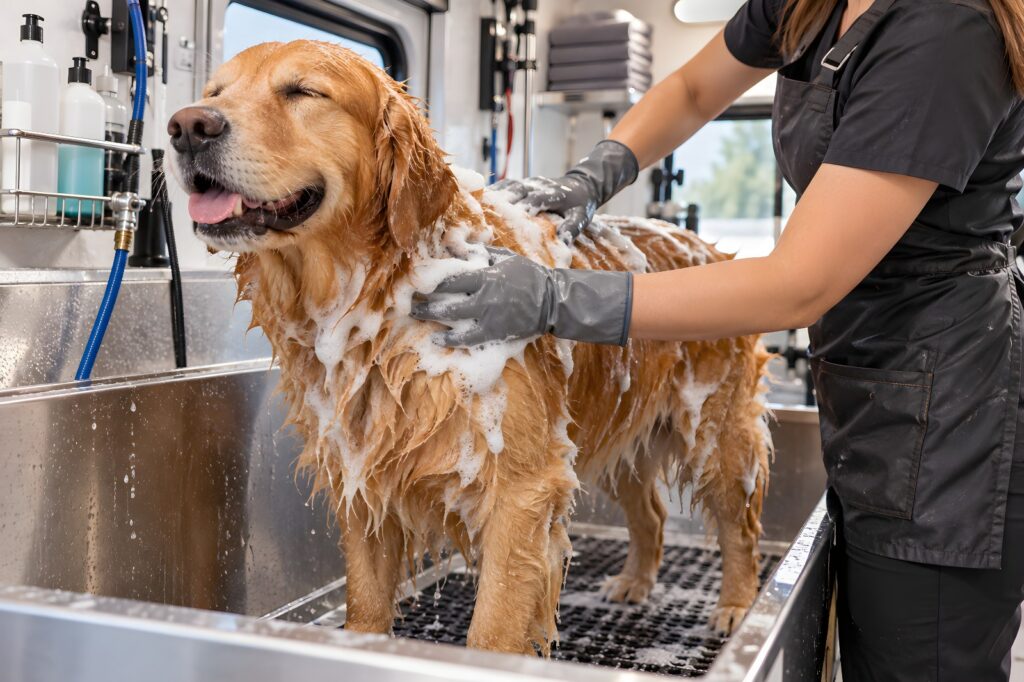
“Rafael” built his mobile pet grooming business from nothing. He started with one van and a lot of hard work. Today he and his wife own the company together, with a small fleet of vans on the road, a couple of employees, and several contract groomers.
By every growth measure, he was doing things right. But when he looked at his bank account, it felt like money came in and went right back out.
“I feel like I’m making good money,” he told us, “but I have no idea where it’s going.”
A once-a-year relationship
For years, Rafael had a tax preparer who was friendly and got his returns filed. But that was the whole relationship. Calls often went unanswered, and when they did connect, there wasn’t much advice about how to run the business, what to spend on, or where to invest.
As the business grew, so did the things nobody was tracking.
A P&L isn’t the same as books
Rafael was getting a monthly profit and loss statement. That sounds like enough, but a P&L is only as reliable as the bookkeeping underneath it. Without transactions reconciled and categorized, a P&L can’t tell you why money is tight, what each van really costs, or how much of your cash went to loan payments versus actual expenses.
That’s the gap we’re filling: real monthly bookkeeping, so the reports finally mean something.
Why money in can feel like money out
When owners tell us their money disappears, it’s usually a mix of things that don’t show up clearly without good books:
- Loan payments: Only the interest is an expense. The principal still leaves your account but doesn’t show up on your P&L.
- Owner draws and personal spending: Money taken out of the business can blur the line between profit and pay.
- Contractor splits and tips: Money that passes through the business but belongs to someone else.
- Vehicle costs: Fuel, maintenance, insurance, and financing across several vans add up fast.
Once each piece is tracked, “where is it going?” gets an actual answer.
Vans in two names
Rafael’s vans weren’t all in the same place: two were in the business’s name and two in his personal name, with a mix of paid-off and financed. He asked whether moving all of them into the business would help his taxes.
It’s a good question, and the answer depends on the details. Retitling a financed vehicle usually needs the lender’s approval, and insurance may need to change. In some cases, the business can cover a personally owned vehicle’s business use through a formal reimbursement plan instead. We’re reviewing each van to find the cleanest approach.
Partners, then an S corp
The business started as a partnership between Rafael and his wife and later elected S-corporation status. That change brings new rules: owners who work in the business need to be paid a reasonable salary through payroll, and the books need to reflect the new structure. We’re making sure the transition is fully and correctly in place.
What we put in place
- Monthly bookkeeping: Every account reconciled and categorized, with weekly reports from his scheduling and payroll platform tied in.
- Payroll reconciliation: Employees, owner pay, contractor splits, and tips all matching the books.
- Vehicle strategy: The best structure for each van, owned or financed.
- Business and personal returns: S-corp and personal returns prepared together.
- Year-round advisory: Regular check-ins, and someone who answers when he calls.
A team that answers the phone
What Rafael wanted most wasn’t a better tax return. It was a team that would truly have his back: someone he could call when a decision came up, not just in April.
Growing, but not sure where your money is going? Book a call with our team. We’ll give you a clear picture and a team you can call year-round.
Names and details in this story have been changed to protect client privacy. Results depend on each client’s specific facts.